Road Safety
E-Bikes Are the New Frontier in Personal Injury
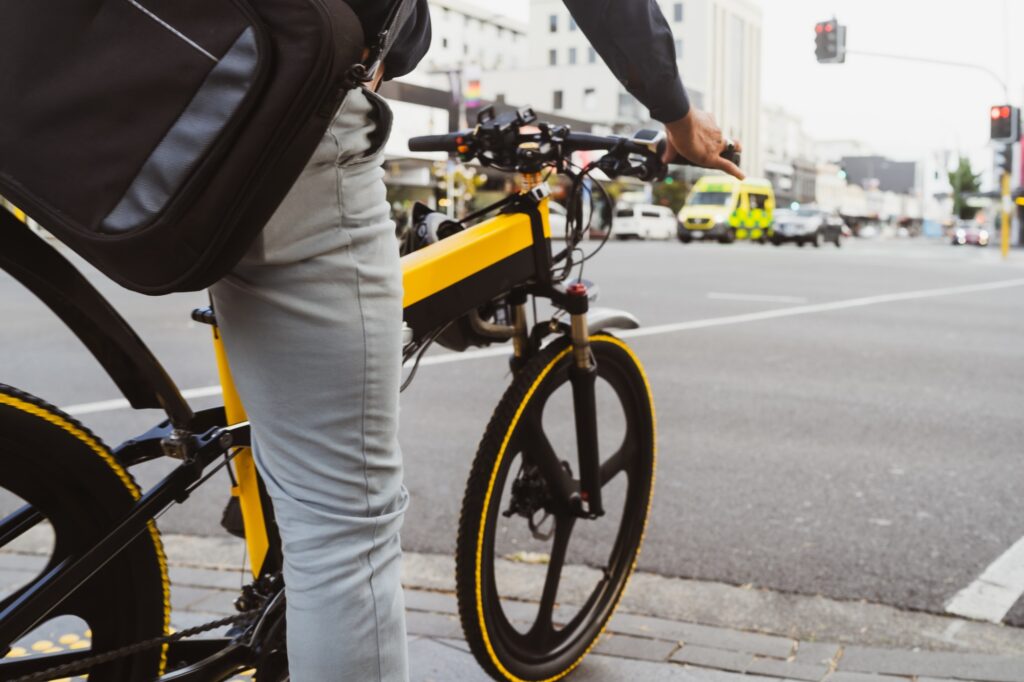
E-bikes are everywhere now: commuters skipping traffic, delivery riders weaving through downtown, and weekend riders on trails and bike lanes. They are fast, affordable, and fun. They are also sending more people to the emergency room.
According to the U.S. Consumer Product Safety Commission (CPSC), injuries from e-bikes, e-scooters, and similar “micromobility” devices rose about 21% in a single year, from 2021 to 2022. The CPSC estimated more than 53,000 emergency room visits tied to e-bikes alone from 2017 through 2022, and it is aware of 104 e-bike-related deaths in that period. Collisions with motor vehicles were among the top causes.
As e-bikes become more common, they are creating a new kind of personal injury case, one that does not fit neatly into the old categories of “car accident” or “bike accident”.
Why e-bike cases are different
They are faster than people expect. Many e-bikes reach 20 to 28 mph. Drivers turning or pulling out often misjudge how quickly an e-bike is approaching, and pedestrians may not hear one coming. Higher speeds also mean more serious injuries when something goes wrong.
The rules vary by place. Many states sort e-bikes into classes based on top speed and whether the motor only helps while pedaling. Those classes can affect where an e-bike is allowed to ride, like bike lanes, sidewalks, or trails, and whether a helmet is required. Whether a rider was following those rules can come up when deciding who was at fault.
More parties can be involved. A crash might involve a driver, a rider, a pedestrian, a rental company, a delivery app, a manufacturer, or a city responsible for the road. Sorting out who is responsible is often more complicated than in a typical car crash.
Who could be responsible
Depending on what happened, responsibility for an e-bike injury could fall on:
- A driver who turned into a rider’s path, opened a car door into a bike lane, or failed to yield.
- An e-bike rider who was speeding, riding on a sidewalk where it is not allowed, or ran a light and hit a pedestrian or another cyclist.
- The manufacturer or seller if a defect caused the crash or injury, like brakes that failed, a frame that broke, or a battery that caught fire.
- A rental or share company if a poorly maintained rental bike contributed to the crash.
- A city or property owner if a pothole, broken pavement, or dangerous road design played a role. Claims against government agencies often have much shorter deadlines than other injury claims.
- A delivery company in some cases, when the rider was working at the time of the crash.
More than one party can share responsibility, which is one reason these cases benefit from an attorney’s help.
The insurance gap
One of the biggest surprises for e-bike riders is that their insurance may not cover them the way they expect.
| Cover | What riders should know |
|---|---|
| Car insurance | Usually covers cars, not e-bikes. But if a rider is hit by a car, the driver’s insurance may pay, and the rider’s own auto policy may help through uninsured or underinsured motorist coverage, depending on the policy. |
| Homeowners and renters | Sometimes excludes motorized vehicles, which can leave an e-bike rider without coverage if they injure someone else. |
| Rental and share companies | Often have terms that limit what they will pay, and riders agree to those terms with a single tap in the app. |
| Delivery app cover | Delivery riders may or may not be covered by the app company, depending on how they are classified and what the company’s policy includes. |
If you ride an e-bike regularly, it is worth asking your insurance agent exactly what is covered before something happens.
What to do after an e-bike accident
Whether you were riding, driving, or walking:
- Get medical care right away, even if you feel okay. Head injuries and internal injuries do not always show symptoms immediately.
- Call the police so there is an official report, especially if a car was involved.
- Take photos of the scene, the e-bike, any vehicles, the road surface, and your injuries.
- Keep the e-bike as it is. Do not repair it or throw it away. If a defect caused the crash, the bike itself is important evidence.
- Save your records, including rental receipts, app screenshots, delivery app details, and medical bills.
- Be careful what you say to insurance companies and on social media.
- Talk to a personal injury attorney, especially if more than one party could be responsible or an insurance company is denying coverage.
The road ahead
E-bikes are not going anywhere. As more people ride them, laws, insurance policies, and court decisions are still catching up, which means these cases can be more complicated than they first appear.
If you were hurt in an e-bike accident as a rider, driver, or pedestrian, an attorney who handles bicycle accident and personal injury cases can help you figure out who is responsible and what coverage applies. You can search for personal injury attorneys in your city on Lawyer Up by location and case type.
Injury statistics are from the U.S. Consumer Product Safety Commission’s micromobility reports. This article is for general information and is not legal advice. E-bike laws and insurance coverage vary by state, so talk with a licensed attorney about your situation.